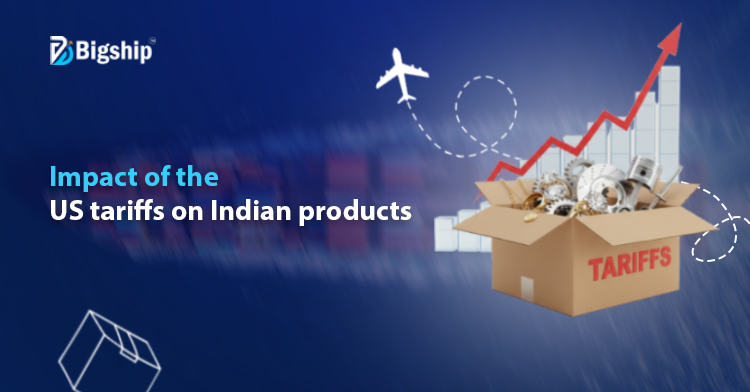
The impact of US tariffs on India has pushed many Indian sellers into a tight spot. News headlines talk about pressure, losses, and trade strain, however, the real picture feels more layered. US tariffs on Indian exports raise costs and slow price moves. Still, every shift in trade rules changes buyer behavior. That change matters to you if you sell online or run a D2C brand.

The impact of US tariffs on Indian businesses goes beyond numbers on paper. You face choices around pricing, product focus, and market fit. Some categories feel the hit harder while others quietly gain space. This blog looks at how these tariff changes affect your brand and what they mean for your next move.
Understanding US Tariffs: A Quick Overview
US import duties on Indian goods are taxes added when Indian products enter the United States. In August 2025, the US announced tariffs on Indian goods. These duties can be high, sometimes rising up to around 50% of a product’s value. This means an Indian seller may have to pay more before their goods reach American buyers, making exports more costly.
The India US trade war impact has hit many labor-intensive sectors. Textiles, gems, jewelry, and seafood now face steeper charges. These extra costs can reduce demand for Indian products in the US market. This is the essence of US import tariffs on Indian products and why many businesses are rethinking plans.
US customs duties on Indian goods are part of broader trade tensions that affect prices and competitiveness for exporters.
Why US market is critical for Indian D2C & e-commerce brands?
The US brings scale that few markets can match. Like order sizes stay higher and buyers pay for quality products. Indian D2C brands gain better margins here, brand value grows faster, and global trust also improves when you sell in the US.
The US tariff policy’s impact on India matters because this market drives long-term growth. Many Indian brands depend on US demand to balance costs at home. A slow US market can stall expansion plans, while a stable one can change the future of your brand.
How US tariffs affect Indian D2C & e-commerce brands?
The US tariffs change how your product reaches the customer. Costs rise at many points, and even a small shift adds pressure. The effect feels direct, especially when you sell to price-aware US customers.
Increased cost of selling in the US: You will have to pay higher duties at entry, along with compliance charges and related fees, which will quietly raise your order spending.
Pressure on profit margins: Margins take the first hit as you cannot pass the full duty to buyers, while ad spends, platform fees, and production costs remain unchanged and continue to eat into earnings.
Pricing challenges for Indian brands: You can face a tough call on pricing, as higher prices reduce conversions, but stable prices slowly drain profits.
Reduced competitiveness on marketplaces: Your listings appear expensive beside US-based sellers which might make it harder to win the buy box or organic visibility, especially on platforms where prices heavily influence ranking.
Product categories most affected by US tariffs
The cost impact of US tariffs on Indian products is not even across all categories. Some types of exports now face much higher duties in the US. These categories are mentioned below:
Apparel and textiles: Tariffs on Indian apparel and textiles have jumped significantly. Knitted and woven garments, home textiles, towels and carpets now face steep duties that make them far more costly for US buyers. Because the US takes up a large share of these exports, this change can cut volumes and put pressure on makers and sellers.
Electronics & Accessories: Many electronics items, like phones and semiconductors, remain exempt from extra US customs duties for now but accessories and connected gear can see higher landed costs once logistics fees and customs paperwork add up, squeezing price advantage in the US.
Beauty & Wellness Products: Beauty and wellness products often enter the US market at modest prices but higher tariffs raise final landed costs and this puts pressure on brands to absorb those costs or risk losing buyer interest. For niche wellness lines that rely on competitive pricing, this can slow growth in key US segments.
How Indian D2C & E-commerce brands can reduce tariff impacts?
Tariffs raise pressure, but they do not end opportunity. Smart moves can soften the blow. You need control over costs, speed, and compliance to stay steady in the US market.
Optimizing supply chain and sourcing: You can review raw material sources, switch suppliers where possible, and reduce unnecessary touchpoints to cut hidden costs that add weight to every exported order.
Exploring US-based warehousing: Storing inventory closer to buyers helps lower order duties, reduces delivery time, and improves customer trust while limiting repeated customs exposure on individual shipments.
Trade agreements and compliance planning: Proper classification, along with correct documentation and awareness of trade rules, can help in avoiding excess duties and penalties that often hit brands due to small compliance gaps.
Opportunities hidden within US tariff challenges
Tariffs feel heavy, but pressure often sharpens strategy. US customs duties on Indian goods force brands to review every SKU, cost line, and document. Weak products get filtered out. Stronger ones stay. This clean-up builds discipline and sharper business decisions.
The global trade tariffs impact also pushes Indian brands to look beyond one market. You start testing new regions like the Middle East, Europe, and Southeast Asia. Risk spreads out and growth feels more stable and planned.
Tariffs hit low-value products first. This opens space for premium lines. Better design, better branding, and better pricing follow. Customers still buy when value feels clear. Brands that adapt early turn a tough phase into a long-term edge.
US-India Trade relations: An overview
US and India share a long trade history. The bond stays strong, yet tariffs add friction at times. Policy shifts in the US often change duty rates on Indian goods. These moves aim to protect local industries. Indian exporters feel the effect fast like prices change and demand reacts. Trade talks continue, but outcomes take time.
For you, this relationship means uncertainty mixed with opportunity. Tariffs may rise or ease based on politics and negotiations. Planning cannot wait for policy relief. Brands that stay alert and flexible handle these shifts better and protect growth despite changing trade terms.
Key Takeaways
- US tariffs directly increase selling costs for Indian D2C and e-commerce brands.
- Profit margins feel pressure when duties cannot be passed fully to buyers.
- Pricing decisions have become more sensitive in the US market.
- Apparel, textiles, and home categories face the highest tariff exposure.
- Higher landed costs reduce conversion rates for US customers.
Conclusion
US tariffs have changed how Indian brands sell, price, and plan for growth. The supply chain impact of tariffs now touches sourcing, logistics, and delivery timelines. These shifts demand sharper control and faster decisions. The cost impact of US tariffs on Indian products also forces brands to rethink margins and market focus. Those who adapt early stay competitive. Careful planning, clear pricing, and smarter market choices help you move ahead, even when trade conditions stay uncertain.
FAQs
How do US tariffs affect Indian D2C brands?
US tariffs raise duties on exports, which increases selling costs, affects pricing, and puts pressure on margins for Indian D2C and online brands.
Do US tariffs increase prices for American customers?
Yes, increased tariffs affect prices for American customers. Higher duties raise landed costs, which often leads to higher prices or reduced discounts for US buyers.
Is the US market still worth it for Indian brands?
Yes, the US remains a high-value market. Brands that adapt to tariffs can still grow and build strong global presence.