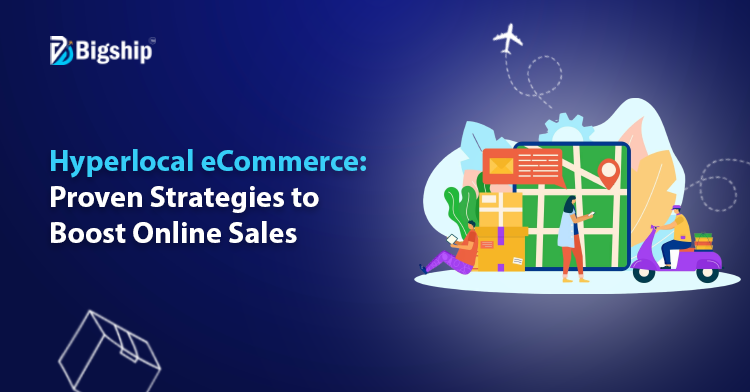
The swift rise in hyperlocal e-commerce is reshaping the retail sector of India. The high rate of smartphone usage, the presence of internet and the digitization of payments have altered the shopping behaviour of consumers. Now consumers prefer faster delivery, convenience and easy access to products available in their local area.

To cater to these changing demands, the hyperlocal sellers should adopt digital transformation. By having a strong digital presence, via online stores, mobile applications and hyperlocal marketplaces, they can connect with their potential customers. Not only that, through these mediums, they will be able to compete against large e-commerce platforms.
However, success in the domain of hyperlocal e-commerce needs more than just digitization. For this purpose, it becomes important for hyperlocal sellers to have efficient management of their inventories, order management systems and delivery operations. In this article, we have discussed hyperlocal e-commerce and how it differs from traditional e-commerce.
Definition of Hyperlocal E-commerce
Hyperlocal e-commerce refers to a business model whereby businesses market their products and services online but only cater to consumers within an enclosed geographical space. This business model enables fast deliveries and enhances customer experience by fulfilling orders from the nearby stores instead of central warehouses.
What Makes Hyperlocal Selling Different from Traditional E-commerce
A hyperlocal approach enables the seller to make deliveries within a short period and save on shipping charges due to the availability of local inventory. Here are key differences between the two:
| Hyperlocal E-commerce | Traditional E-commerce |
| It targets local customers. | This is for nationwide or global customers. |
| Express or same-day delivery. | Conventional shipping with standard delivery timelines. |
| Inventory closer to customer’s location. | Products are stocked in large central warehouses. |
| Order processing in minutes. | Order processing takes time. |
Industries That Benefit from Hyperlocal Selling
Hyperlocal e-commerce can be used by the following sectors where speed and convenience matter:
- Grocery stores
- Pharmaceutical stores
- Restaurants and Cloud Kitchens
- Floral shops
- Pet stores
- Retail electronics
- Clothing shops
Reasons Why Hyperlocal Businesses Should Invest in E-commerce
Consumer preferences are moving towards fast and more convenient purchasing. For hyperlocal sellers, e-commerce is inevitable for staying competitive in the market.
Customer Reach is Not Limited to Walk-in Customers
The online store makes it possible to reach customers beyond the physical location through search engines, mobile applications and social media platforms. Thus, it is easy for the nearby shoppers to find the products and place the order, which increases sales.
Order Processing is Made Faster with OMS
By using an Order Management System (OMS), you can automate processes such as order processing, stock updates and shipping. This eliminates manual errors and increases the speed of order processing.
Makes Shopping More Convenient for the Customer
Here are the ways hyperlocal businesses can increase customer convenience through e-commerce:
- Online ordering
- Online payment options
- Tracking the delivery status
- Delivery options (for example, same day, next day or appointment-based)
Such features make shopping faster and more convenient, which promotes more purchases.
Builds Loyalty
Making deliveries fast, providing special offers to customers, creating loyalty programs, and having good customer support are some of the ways to build a better shopping experience. Such an approach encourages repeat purchases.
Proven Strategies to Increase E-commerce Sales for Hyperlocal Sellers
The growth of hyperlocal e-commerce requires the correct balance of technology, efficiency and customer-centricity. Here are some tactics you can use to grow your business and become more competitive.
Develop a Professional Online Shop
The online shop is where the customers will first interact with your business. It needs to be mobile-friendly, should offer a well-organized product catalogue with secure checkout and quick loading time.
Optimize Your Inventory Management
It allows companies to prevent stock-outs and overselling. In case of any changes in inventory levels, real-time stock updates and warehouse visibility help ensure products are in stock when customers place an order.
Optimize Order Management
Order Management System (OMS) manages orders, automates order routing, provides real-time tracking and minimizes manual effort.
Fast Hyperlocal Delivery
Fast delivery is one of the main benefits that can be achieved by using hyperlocal businesses. Fast delivery options such as same-day, express, and scheduled or appointment-based delivery through reliable logistics partners can increase customer satisfaction and increase chances for repeat transactions.
Incorporate Buy Online, Pick Up in Store (BOPIS)
In BOPIS customer orders an item from your online store and pick it up from the closest physical store. It cuts down shipping expenses, speeds up fulfilment and often leads to extra purchases when shoppers visit the store.
Create a Mobile Commerce Platform
With the growing popularity of mobile commerce, businesses should create a responsive website or shopping application that provides mobile check-out and push notifications.
Customer Support
Live chats, WhatsApp, emails, phone support and AI chatbot assist in solving customer questions more efficiently and create more trust among consumers.
Common Obstacles for Hyperlocal E-commerce Sellers
In addition to the many growth opportunities that come with running hyperlocal e-commerce, there are also operational difficulties faced by the sellers. To ensure that the consumers have a smooth experience, the business owners need to know these problems.
Handling the Inventory
The most common problem is managing inventory across all the sales channels. The inability to do so can cause stockouts or overselling and negatively affect the customers and their orders.
Last-Mile Delivery
Last-mile delivery is one of the major obstacles for hyperlocal sellers. It can be influenced by the traffic, slow delivery and high logistics fees which can cause the delay of the order delivery.
Adoption of Technologies
There are many companies that do not use any digital means for the organization of the operations. Implementation of the Order Management Software (OMS), inventory system and automatic shipping services needs time and money.
Competitive Marketplaces
Hyperlocal sellers compete with huge marketplaces which provide affordable prices, a wide range of products and shipping throughout the country. The sellers need to work on personal service, fast delivery and local relationships.
Consumer Demands
Today’s customers want quick delivery, real-time order tracking, safe payment options and immediate response. Meeting these customer expectations on a consistent basis helps develop trust among customers and ensures repeat business.
Features Required for Any Hyperlocal E-commerce Store
An e-commerce business cannot function just with an online store but it needs certain features and functions for the process to be seamless. Some of the necessary features for any hyperlocal e-commerce business are as follows:
Mobile Compatible Website: User-friendly interface which gives the user a seamless shopping experience from mobiles and computers both.
Real-Time Stock Control: Stock control system in real-time which ensures no out of stock or overselling issues occur.
Safe and Easy Payment Gateway: Multiple payment gateways, which include UPI, cards, wallet and COD.
Order Management System (OMS): A system which helps hyperlocal sellers in managing orders through automation with less manual effort.
Fast Delivery Management: Options of delivering goods on the same day, scheduling deliveries and express delivery by the help of delivery partners.
Order Tracking: Live tracking option for delivery of orders.
Customer Support: Customer support via different options such as live chat, WhatsApp, emails, calls and chatbots.
Local SEO: Local optimization of the website for better SEO rankings and attracting customers in your vicinity.
Analytics & Reports: Customer analytics and sales reports.
The Role of Bigship in Hyperlocal Seller Growth
Logistics technology is important in helping hyperlocal e-commerce businesses to increase efficiency and lower the cost of operation. This is where Bigship – a tech-enabled courier aggregator comes into play. Through automation of essential logistics functions using Bigship’s platform, hyperlocal sellers can grow their e-commerce business and ensure faster and more efficient deliveries.
Multi-Carrier Shipping
The presence of several courier providers gives businesses the opportunity to select from several delivery options. The option is important in giving businesses the opportunity to choose the best shipping company and increase the number of services offered. Bigship with its network of 20+ reliable courier partners makes this possible.
Automated Shipping Labels
Bigship automates shipping labels, saving time otherwise spent on manual paperwork. This automation helps businesses dispatch products faster and more efficiently.
Delivery Tracking
Through Bigship, real‑time tracking information is available across all courier partners. Businesses can follow the status of shipments anytime, building customer trust and reducing queries about order updates.
NDR Management
Bigship’s smart NDR management act quickly when a hyperlocal delivery attempt fails. This proactive approach improves delivery success, reduces the RTOs and keeps customers happier.
Hyperlocal E-commerce Future Trends
As customers continue changing their demands and expectations, the technology aspect of hyperlocal e-commerce will become increasingly significant. Companies that will be adopting current hyperlocal trends will be prepared for successful development in the future.
Personalized Product Offerings Using AI Technologies
Through the use of AI technologies, businesses will be able to offer products tailored to customers’ needs, preferences and shopping history.
Quick Commerce
Due to the increasing desire of customers to get the deliveries fast, there will be more quick commerce businesses that will deliver the ordered items within minutes.
Voice Commerce
Due to the increased popularity of voice assistant devices, businesses will be able to take advantage of voice commerce opportunities since more customers will search and order the items using voice assistant devices.
Sustainable local deliveries
With growing environmental consciousness, businesses should employ eco-friendly methods for the delivery of goods.
Omni-channel e-commerce
Customers of today expect to get a seamless experience in both brick-and-mortar stores and on the internet. To deliver that kind of experience, businesses must integrate their websites, apps, stores and social media pages so everything works together seamlessly.
Conclusion
Hyperlocal e-commerce is revolutionizing the way local businesses interact with their customers through the integration of convenience in online shopping and speed of local delivery. Using effective e-commerce approaches such as inventory management, order processing, hyperlocal delivery and shopping through mobile devices, sellers can enhance their sales and develop customer relationships.
As customer expectations change, the development of technologies and logistics will be critical for survival and competitiveness. Companies that adopt the digital approach in business today will have an advantage in future due to rapid growth of hyperlocal e-commerce.
FAQs
What is hyperlocal e-commerce?
Hyperlocal e-commerce is the e-commerce model where products or services are bought online and are delivered in the geographic vicinity, helping to speed up the delivery process and making things easier for local consumers.
How does hyperlocal delivery help in increasing the e-commerce sales?
The hyperlocal delivery model helps improve the customer satisfaction level since the orders are being fulfilled faster, and the same-day delivery is provided that results in increased conversion rates.
What are the advantages of hyperlocal selling for the local businesses?
Hyperlocal selling helps the businesses to increase the customer base, boost sales volume, increase the visibility of the brand name, provide fast deliveries and develop customer loyalty at reduced cost.
How can I start the online selling for my small retail store?
The small retailers can start by setting up a mobile-first online store, putting the list of products on it, adding the payment options, order management software and delivery partnerships with reliable courier service provider such as Bigship.
What industries gain the maximum out of hyperlocal commerce?
The industries that benefit the most from the hyperlocal commerce are grocery, pharmacies, restaurants, florist shops, fashion boutiques, electronics, pet supplies and hardware stores.