For an e-commerce customer, the post-purchase journey doesn’t stop after hitting the ‘Buy Now’ button. After making a purchase, customers want to keep track of their orders to learn about their status, delivery date and possible delivery issues. Hence, order tracking plays a critical role in the entire customer experience.

However, having a branded tracking page allows you to take this customer experience one step further by offering a tracking experience that reflects your brand and offers your own messaging, support services, rather than redirecting customers to the generic tracking pages of courier companies.
D2C and e-commerce brands have the opportunity here to make routine order tracking much more valuable for both the customers and themselves.
What Is a Branded Tracking Page?
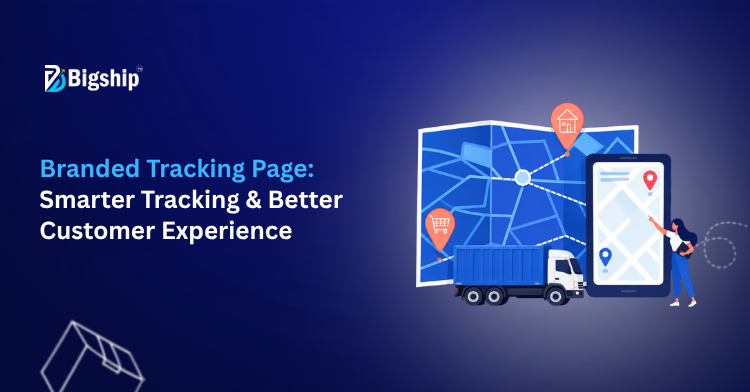
The branded tracking page is a dedicated web page where customers can check their order status within the context of the brand’s identity.
In contrast to regular courier tracking pages that are designed mainly for showing delivery information, a branded tracking page can include all branding elements such as logo, colours, communication style, customer support contact information, frequently asked questions, banners, product suggestions and reviews.
The customer does not need to leave the brand’s website to find out the status of their order.
When the customer purchases something from the brand’s online store, they can receive a tracking link via SMS, email, or WhatsApp and go straight to the brand’s tracking page.
How Does a Branded Tracking Page Function?
A branded tracking page links the order details of the e-commerce company with live tracking details available from its logistics or courier system. Typically, the following steps are taken:
Customer makes an order: The customer places an order on the e-commerce website.
Order is despatched: The seller despatches the order to the courier service.
Tracking details are provided: The shipment gets a tracking ID or AWB number.
Live tracking is integrated: Updates about the shipment are received from the courier system.
Customer is provided the tracking link: The customer is given access to the branded tracking page.
Live updates are shown: Order status like order confirmed, shipped, in transit, out for delivery and delivered can be seen.
Extra content is available: Brand can use the page to add FAQs, support, recommendations, feedback and marketing communication.
Why Is Branded Tracking Page Important for E-commerce Brands?
A buyer frequently checks their order several times from the moment they place the order to the time of delivery. Each visit is an opportunity to engage with the buyer.
In case of conventional courier tracking, the user is always forwarded to a website of the logistics company. The information about the order will be there but there will be no link with the brand from where the order was placed.
Branded tracking page maintains the customers within the ecosystem of the brand.
The benefits for e-commerce brands include:
- Providing a better post-purchase experience for customers
- Building a better recall value for the brand
- Keeping the buyers updated about the status of their orders
- Reducing WISMO (Where Is My Order?) cases
- Providing customer support
- Advertising relevant offers to customers
- Gathering feedback from the buyers
- Encouraging repurchases
Advantages of Using a Tracking Page with Branding Elements
A branded tracking page can do more than provide shipment updates. Some of its advantages are mentioned below:
Improves Brand Image and Recognition
Brand development should continue even after a purchase has been made.
Using a tracking page with branding allows businesses to consistently maintain their brand identity across the entire post-sale period. The use of the logo, colours, fonts, and messaging may create the feeling that the tracking experience is an extension of the e-commerce website.
Exposure to the brand through the order tracking process may help to boost brand recognition and recall.
Improves Post-Sale Experience for Customers
Customers want to be informed after purchasing the product.
A branded tracking page provides access to all the necessary information without contacting customer support. They may find out whether the order has been shipped, the current status of the shipment and when it is expected to be delivered.
Transparent package tracking can help to reduce uncertainty and give customers greater confidence in their purchases.
Helps to Build Customer Trust and Loyalty
Transparency is very important in the sphere of e-commerce.
Timely updates from the business give customers better visibility into what is going on with their orders. A branded interface may help with this process.
By providing accurate parcel tracking information and easy access to support, businesses can create a more reliable post-purchase experience which can contribute to stronger customer relationships.
Opportunities for Cross-selling and Upselling
A customer interested in order tracking is already connected with the brand.
Instead of focusing only on tracking details on that page, companies can promote additional products, newly-launched products, bestsellers or personalized suggestions on relevant sections of that page.
For instance, the fashion company can promote complementary accessories related to the product which is already purchased by the customer.
It should be noted that recommendations should remain relevant and discreet as main goal of that page is to provide order tracking functionality.
Decreases WISMO Requests and Customer Support Workload
“Where Is My Order?” (WISMO) request is quite common among e-commerce customers.
In case the customers have problems finding their shipment status they will contact customer support via phone, email, chat or social media.
Branded tracking page can provide all required information to customers thus decreasing unnecessary requests to customer support.
This will allow customer service team to concentrate on more important issues like late shipments, damaged packages, failed deliveries, and other return-related issues.
Collects Customer Feedback and Insights
It can also become a useful way of collecting customer feedback.
Brands may ask customers questions in the form of rating, survey, NPS questions or other types of feedback forms to know their opinion regarding the process of delivery of their order.
This data can be used by the brands to find any problems related to the delivery speed, communication, packaging or even to customer service.
Important Features of a Branded Tracking Page
It is important for the branded tracking page to provide useful shipment information and to create a seamless customer experience.
Real-Time Shipment Tracking
With the help of real-time shipment tracking, customers can track the status of their shipment.
Some common stages of shipment tracking are as follows:
- Order confirmation
- Order packing
- Shipment
- In transit
- Out for delivery
- Delivery
Real-time tracking creates transparency for customers as well as reduces any kind of uncertainty for them.
Brand Logo and Colours
The tracking page needs to have the visual appearance of the brand.
Thus, use of the brand logo, colours, typography and other design elements will help create a consistent brand experience.
Timeline of Delivery Status
A visual representation of the delivery status is more understandable.
Rather than showing customers only tracking numbers or courier updates, companies may simply show a visual representation of the delivery status on a timeline.
Estimated Delivery Date
There is one question that most customers want answered when tracking an order: When will the order reach them?
Providing an estimated delivery date on the tracking page makes the experience more helpful and informative.
If possible, the date should be based on the information about the most recent shipment information and not just a delivery window.
Customer Support Information
There are cases where customers can face some issues with delivery even if the tracking data is accurate.
The tracking page should have customer support information such as:
- Phone support
- Live chat
- Help centre
- Support ticket
FAQs and Self-Service Options
Some frequently asked questions can be provided on the tracking page.
FAQs could involve:
- Delivery timeframes
- Unsuccessful delivery attempts
- Address changes
- Return requests
- Cancellation policy
- Late deliveries
- Delivery instructions
Self-service options can assist customers in solving some issues without calling for assistance.
Promotional Banners and Product Recommendations
The tracking page can be used to present the company’s promotional content.
Nevertheless, it is important to make sure that the promotional content does not distract from the main purpose – tracking delivery.
Helpful content might consist of:
- New product releases
- Related products
- Time-limited promotions
- Bestsellers
- Loyalty programs
- Referral programs
- Social Media Links
Integrating social media links will encourage the customer to stay informed about the brand.
Customers will be able to follow the brand for getting information about the latest product news, promotions and even educational material.
Customer Feedback/NPS
Short feedback questionnaire or NPS survey can be useful for understanding customer satisfaction level.
For instance, the brand can ask customers to evaluate their delivery experience once the delivery process is complete.
Mobile-Friendly Design
Many customers use their phones to track the shipment status.
Therefore, the tracking page should be responsive and easy to use on smartphones and tablets.
Important information such as shipment status, estimated delivery date and support options should be clearly visible without excessive scrolling.
How to Develop a Branded Tracking Page?
A branded tracking page development consists of several stages.
Choose a Tracking Platform
Firstly, find the appropriate logistics or tracking platform that allows branded tracking.
Features you might need include real-time tracking, integration with couriers, analysis, branded interface and communication opportunities with clients.
Personalise the Page
Personalise the page according to your:
- Logo
- Colour scheme
- Typography
- Assets
- Brand message
You must create a page that should be consistent with other elements of your brand.
Integrate the Real-Time Tracking
To provide your clients with the current information about their shipments, integrate the tracking page with your logistics system or tracking tool.
It is crucial to have an accurate tracking data, since outdated information will only make your clients annoyed.
Provide Customer Support Opportunities
Help the clients to resolve any problems they might have.
Add contact details and describe what your customers should do in case of any issues like late delivery or unsuccessful delivery attempts.
Include Promotional Materials
After you’ve added all the necessary information on the tracking page, it might be useful to add some promotional materials to your page.
Test Across Devices
Test the tracking page across smartphones, tablets and desktops.
Check:
- Loading speed
- Text readability
- Button placement
- Tracking visibility
- Mobile responsiveness
- Support accessibility
Monitor Analytics and Optimise
Monitor customer engagement with the page.
Some useful indicators may be:
- Page visits
- Repeat visits
- Click-through rate
- Clicks on product recommendations
- Feedback submissions
- Support engagements
- Repeat purchases
This information can help companies improve the customer experience post purchase.
Best Practices for Creating an Effective Branded Tracking Page
A branded tracking page should focus on clarity and functionality. Some best practices are:
Keep tracking information visible: The main reason customers will be on the page is to track their order, therefore, this information needs to be easily visible.
Use simple language: It is important to avoid complex logistics terminology that a customer may not understand.
Provide up-to-date information: Misleading information can harm customer trust.
Use tracking milestones: A timeline can help a customer understand tracking.
Provide support information: It is important for customers to know what to do in case of delivery issues.
Optimise for mobile: Make sure that your customer can track his order from a smartphone.
Be relevant: Do not suggest other products which can distract the customer from tracking his order.
Be consistent with branding: Tracking process must be consistent with other parts of your brand’s digital identity.
Be responsive: Be responsive and listen to your clients’ feedback and use analytics to improve tracking process.
How Branded Tracking Can Help Your D2C & E-commerce Brand Scale
The stage between purchasing and receiving an order is usually overlooked by e-commerce brands.
At the same time, your client might visit the tracking page several times before receiving the order. It gives you several chances to interact with him without mailing newsletters and ads.
Branded tracking page can assist you in growing in several ways:
- Increased brand visibility
- Customer satisfaction
- Cost savings on customer support
- Product discovery
- Cross-selling
- Customer insights gathering
- Customer relationship strengthening
- Opportunities for repeat purchases
Conclusion
A branded tracking page is more than just a way for consumers to locate their package. It is also a valuable post-purchase touchpoint that can help D2C and e-commerce businesses continue their brand experience after purchase.
By adding real-time tracking capability, updating consumers on their deliveries, providing customer service, suggesting similar products to customers and collecting feedback from consumers, businesses can take their tracking experience to the next level.
Branded tracking can thus provide D2C and e-commerce brands with an opportunity to engage with and build stronger relationships with their customers.
FAQs
A branded tracking page is an order tracking webpage which is customized for a particular e-commerce brand that allows customers to track their orders along with displaying the branding elements like logos and colours.
A branded tracking page integrates the shipment data from different courier partners with a customized website. This enables customers to get a link to track their orders with real-time delivery updates, estimated delivery date and customer support.
The following are some of the advantages of a branded tracking page for e-commerce brands:
- Improved post-purchase experience for customers
- Improved brand recall among the customers
- Reduced WISMO queries
- Cross-selling
- Building customer trust and loyalty
This provides customers with a platform through which they can track their order details, get delivery updates, estimated delivery date as well as reach out to customer support in case of any issues.
Yes, by providing customers with easy-to-access information related to shipments.