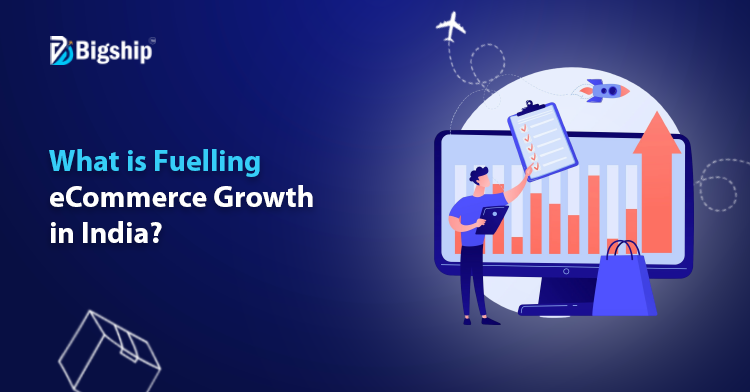
A few years back, selling online was just an option. Today, most customers prefer online shopping. That’s why e-commerce growth in India has turned into one of the biggest opportunities for businesses of all sizes. However, growing online isn’t only about chasing more orders. Today the expectations have changed, competition is tougher, and logistics is a daily challenge. The e-commerce businesses that understand these shifts are the ones in a stronger spot to grow.

This blog takes a closer look at what’s driving this growth, the hurdles sellers face and how the right shipping approach can make a real difference.
What is Behind India’s E-commerce Boom
Online shopping has transformed. Years ago, people hesitated before clicking “buy”. Now, it is second nature—open an app, place an order and purchase. This shift did not happen suddenly. A mix of factors made online shopping easier, faster and more trusted.
More People Are Coming Online: Almost everyone has a smartphone now, and browsing products has become part of everyday life because the internet is no longer limited to big cities now. For many businesses, this has opened doors to customers they couldn’t reach before.
Everyday Shopping Habits: Online shopping isn’t reserved for festivals or big occasions anymore. Nowadays, if you need a charger, you order it. Similarly, if you need groceries, you just order them. This type of everyday convenience is fueling e-commerce growth across India.
Payment Options Build Confidence in Customers: There are different types of shoppers; some shoppers pay online instantly while others stick with cash on delivery, especially when trying a new brand. Offering both choices removes hesitation and prevents carts from being abandoned.
Good Experiences Bring People Back: Getting a customer once is easy but keeping them is harder. Fast deliveries, clear updates and smooth returns build trust. And trust is what makes customers return again and again.
Smaller Cities Are the Next Big Wave: Metro cities once dominated online orders, but that is changing. Now smaller towns and even rural areas are shopping more than ever. This shift is one of the strongest drivers of e-commerce growth today.
E‑commerce Trends Reshaping the Market
Online shopping today isn’t what it was a few years ago. Habits keep shifting, and new ways of buying keep showing up. Brands are trying to keep pace. That’s what keeps e-commerce in India moving forward.
- Smaller cities are shopping more, and it is not just metros anymore. Tier 2 and Tier 3 towns are buying more often. Whether it is groceries, clothes, wellness products or home essentials. For brands, the signal is clear: growth now depends on reaching beyond the usual markets.
- A lot of buying starts with a reel, a video or a creator’s shoutout. People stumble on products while scrolling and not by purposely searching. One good piece of content can spark interest and turn into sales.
- Customers don’t think in terms of “website vs app vs store”. They just expect it to work without getting into many details. Someone might see a product on Facebook or even Instagram, then check it on a site which might be linked through the same Instagram or Facebook account, and finally buy it through an app. The path is different for everyone and that’s why omnichannel matters.
- Nobody likes to wait. Faster deliveries, easy returns, simple checkouts — that’s the baseline now. Businesses that make the buying experience effortless stay ahead.
- Shoppers don’t want to scroll through endless irrelevant products. Stores are getting sharper at showing what people actually want. Relevant suggestions make shopping easier and help brands build stronger relationships.
The Challenges E‑commerce Brands Still Deal With
Running an online business isn’t only about chasing sales. Every order brings its own set of problems, and even small issues can change how customers see a brand. The ones that stay competitive are the ones that fix problems quickly.
There is Relentless Competition Everywhere: Today starting an e-commerce store is easier than it used to be, and this simply implies that every category you offer is crowded. Shoppers compare delivery times, prices and product quality through reviews in seconds. Winning the first sale is good but repeat customers are what drive e-commerce growth. Service often matters more than discounts.
Logistics is Tough to Get Right: Customers want fast deliveries everywhere and for businesses, providing that is not very simple. As demand rises, logistics often decide whether a customer comes back or moves on. For instance, juggling multiple courier partners, reaching far-flung locations and keeping delivery timelines on track takes much planning.
Returns and RTO Eat into Margins: Returns are part of e-commerce, but RTO is worse and here failed deliveries, wrong addresses and unresponsive customers add up quickly.
Rising Customer Expectations: Shoppers don’t just want good products anymore. They expect tracking updates, quick support and smooth returns. Here a single delayed order or poor delivery experience can be enough for them to switch brands. Meeting these expectations consistently has become essential.
How E-commerce Businesses in India Can Keep Up with the Industry Growth
In e-commerce businesses, nothing remains the same for a long time. What customers liked six months ago may not be enough today. So, for such businesses in India, the trick isn’t to chase every new trend. It’s to keep improving the things customers actually care about.
Put the Customer First: If returns are simple, customer support is prompt and updates are clear, customers trust the brand. Even a trivial improvement here often matters more than big marketing spends because customers might forget discounts but never the experience they had with the brand.
Deliver Faster and Deliver Better: Speed is part of shopping now and not a bonus because nobody likes to wait longer for their parcel to arrive. Brands that cut delivery times usually see more repeat orders and better reviews.
Pick Shipping Partners You Can Trust: A good courier partner solves problems before they reach the customer. Reliable service, on‑time deliveries, proactive updates — these let businesses focus on growth instead of managing shipping challenges. Choosing an appropriate courier service provider is a simple choice that pays off for the long term.
Let E-commerce Analytics Data Guide Your Decisions: When you run an online business then analytics play a very crucial role and here guesswork does not work. These are the actual numbers that give a clear picture of what’s really happening, for example, which products are selling well, what customers keep coming back for and where sales are strongest.
Keep Adapting: Customer preferences keep changing and never sit still. New payment options, fresh shopping channels, rising delivery expectations — all of them keep reshaping the market. The brands that stay flexible grow with the change.
How Bigship Helps E‑commerce Businesses Grow in India
Growing an online store is exciting but managing shipping every single day isn’t and that’s where the right partner makes life easier. Bigship is a tech‑enabled courier aggregator that lets sellers handle domestic, international and even hyperlocal deliveries from one place. As India’s e‑commerce market keeps expanding, businesses need shipping that can keep pace.
Ship Across India and Beyond: Every seller has different needs. Some ship across the country, some go global, and some just deliver within the same city. Bigship brings all of it together — domestic, international, hyperlocal so sellers don’t have to juggle multiple platforms.
Connect Your Store in Minutes: If you are selling on Shopify or WooCommerce then there is no need to manage orders manually. Bigship integrates both platforms in its panel which means orders are imported automatically, labels get printed in a few clicks and tracking updates are synced without extra effort.
Access to Multiple Courier Partners: One courier doesn’t fit every shipment. Bigship gives access to a wide network, so sellers can pick based on cost, coverage or speed. Flexibility matters when orders vary.
Save More on Every Shipment: Shipping eats into margins quietly. Bigship offers competitive rates, helping sellers cut costs without cutting quality. Those savings add up fast when volumes grow.
Reduce RTO with Smarter NDR: Returns hurt and RTO hurts more. Bigship’s NDR system helps sellers act quickly on delivery exceptions, follow up with customers, and cut down unnecessary returns.
Track Every Order Accurately: Customers hate wondering where their package is. Sellers do too. Real‑time tracking keeps both sides updated. It also reduces the flood of queries like “Where is my order?”.
A Dedicated Manager When You Need Help: Sometimes you just need a real person. Bigship gives sellers a Key Account Manager who steps in when issues pop up and helps sort things out.
Get COD Payments Faster: Cash flow matters. Bigship’s early COD remittance means sellers don’t wait forever for collections. Faster payouts make daily operations smoother.
What are the Key Takeaways From this Blog
- Good logistics saves a lot of last-minute headaches for e-commerce businesses.
- Getting one order feels good. Seeing the same customer come back feels even better.
- Faster delivery helps, but keeping customers informed helps too.
- Customers usually don’t care which courier you use. They care if the package arrives on time.
Conclusion
E‑commerce has changed a lot, and it’s not slowing down. New trends keep showing up, customers keep raising the bar, and businesses must adjust as they go. That’s how the market works. The upside is that every shift also opens a new door for brands willing to improve.
There’s no single formula for success. Some grow because they deliver faster. Others grow because they know their customers better. That’s where analytics and solid shipping support come in as they make everyday decisions less of a guess.
FAQs
What do you mean by e‑commerce growth in India?
E‑commerce growth in India means more people are shopping online than before. Cheap internet, smartphones everywhere, digital payments getting easier and better delivery networks — all of that has turned online shopping into part of daily life.
What is pushing this e-commerce growth?
A bunch of things together like internet use went up, payments got easier and shoppers have more choices now. Logistics got better, deliveries faster and buyers from Tier 2 and Tier 3 cities are shopping more, sometimes even more than metro buyers. All of that is driving e‑commerce forward.
How do D2C brands benefit from this?
The growing market lets D2C brands reach way beyond their local area. They can sell in new cities, build loyal customers, and grow without depending only on offline stores. Good products plus reliable shipping and support make that growth stick.
How does logistics contribute to e-commerce business growth?
Logistics is the bridge between a business and its customers. An order isn’t complete until it’s delivered smoothly. Fast shipping, live tracking, fewer delivery issues — that’s what builds trust and keeps customers coming back.
Do people pay the same way everywhere?
Not really. In big metro cities, prepaid is common because people trust digital payments. In smaller towns, COD still rules, especially when someone is buying from a brand for the first time. That’s why most sellers keep both options open.