A warehouse may look tidy but workers there can still struggle when it’s time to pick orders. They end up walking too much, searching for products or fitting new stock onto shelves. The problem usually isn’t space or staff — it’s simply where things are kept. Move a product to a smarter spot and suddenly the whole process feels lighter, especially when the same item gets picked over and over in a single day.
That’s basically what warehouse slotting is about. It’s figuring out the best place for each product based on how often it’s needed, its size, its weight and how easy it is to handle. A Warehouse Management System can help here by showing real data — what’s selling, what’s slowing things down, where the gaps are. With that info, businesses can make smarter choices.

In this blog, we’ll walk through different slotting methods, ways to optimize layouts and simple practices that make daily warehouse work less of a grind.
What Is Warehouse Slotting?
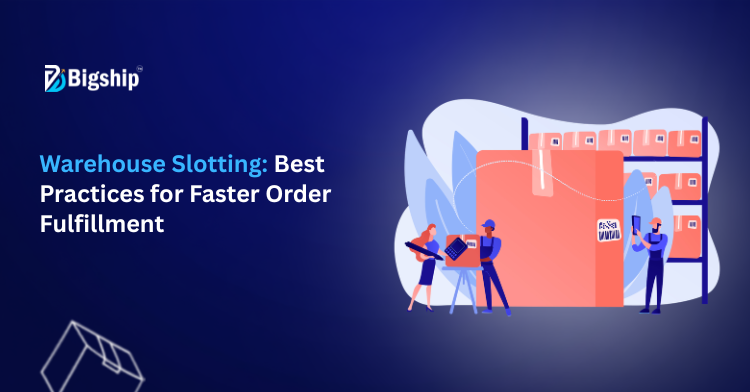
Warehouse slotting simply means putting products in the right spots so they’re easy to find and move. Fast‑selling items stay near the packing stations, while bigger or slower ones are kept further back, as long as safety is considered.
Many businesses entirely depend on a Warehouse Management System (WMS) to keep track of inventory and spot order trends and the data that gets collected helps decide the best spots for each item. In the case of demand shifts or new stock arrival, slotting can be reshuffled so the setup always feels practical and efficient. A smart warehouse layout means workers don’t waste time searching for products — picking and packing gets faster.
Why Is Warehouse Slotting Important?
Even with enough space, staff and equipment, orders can still get delayed if products aren’t stored smartly. A few items in the wrong place mean extra walking, slower picks and more strain on the team. Good slotting fixes that by keeping things where they’re easiest to grab.
- Workers Can Pick Orders Faster – When popular products are kept close to picking and packing areas, workers don’t have to walk across the warehouse for every other order. Those saved minutes can add up over a busy day.
- There’s More Room to Store Products – Not every product needs the same amount of space. Keeping bulky items in suitable locations and making better use of shelves can free up room that might otherwise go unused.
- Fewer Products Get Mixed Up – When two items look almost the same, it’s easy for mistakes to happen in a busy warehouse. Clear storage spots and proper labels make sure workers grab the right product instead of the wrong one.
- Daily Operations Cost Less – Extra walking, repeated handling, and time spent searching for products all add to operating costs. A sensible storage arrangement helps cut down on this wasted effort.
- Stock Becomes Easier to Manage – When products have designated storage locations, workers can find them without searching through multiple shelves and stock checks and replenishment also become easier to handle.
How Warehouses Decide Where Products Go
Think about walking into a warehouse where it’s not just rows of boxes stacked wherever they land. The way things are placed can make or break how smoothly orders get picked. Put a fast‑selling item too far back and workers waste time. Keep bulky stuff near the front and you’re blocking space. That’s why warehouses use a few practical methods to figure out the best spots for everything.
ABC Analysis – The fast‑selling stuff gets the prime spots which is easy to reach. Slower movers can sit further back. It’s all about giving priority to what matters most.
Product Affinity – Some items are bought together all the time. Think printers and ink. Keeping them close saves workers from running around for related products.
Size and Weight – Heavy cartons don’t go high up, and tiny items shouldn’t get lost in oversized bins. Slotting by size and weight keeps things safe and easy to handle.
Zone Slotting – Different types of products need their own space. Electronics, furniture, fragile goods — mixing them all together is chaos.
Seasonal Slotting – Demand changes with the season. Diwali decor, winter jackets, monsoon gear — they all need front‑row spots when sales spike. Moving them closer before the rush makes life easier for everyone.
How to Optimize Warehouse Slotting
Moving products around isn’t just about tidying shelves — it can impact the delivery of the product. Here guessing doesn’t work and you’ve got to look at what’s really happening, for instance which items is in high demand, where workers waste time, which racks are crammed and which sit half empty. That’s the stuff that tells you what needs fixing. Here are some of the tips to optimize warehouse slotting.
Check what moves the most – Dig into your order history. Some products get picked all day long, others remain in the warehouse racks. The ones that move fast should sit closer to packing stations so workers aren’t trekking back and forth.
Think about size, weight and handling – Just because something sells a lot doesn’t mean you can place it anywhere in the warehouse. Heavy cartons need safe reachable spots, whereas small items fit better in bins. The setup should make sense for both the product and the person grabbing it.
Pick locations that actually work – Data helps but common sense matters too. Items often ordered together should sit near each other. Fast movers should be easy to reach. And labels or clear spots keep workers from wondering where things are.
Keep adjusting – What works today might be useless in three months. New stock comes in, demand shifts, some products suddenly get popular. Slotting isn’t a one‑time job — you’ve got to revisit and reshuffle when it makes sense. Even small tweaks can save a lot of wasted steps.
Key Takeaways from This Blog
Warehouse slotting is just about deciding where each product should sit.
Fast‑selling items should be kept closer to packing areas.
ABC analysis helps figure out which products deserve more attention.
Products often ordered together should be stored near each other.
Size and weight matter before choosing a spot.
Heavy cartons need safe, stable positions where workers can handle them easily.
Conclusion
Speeding up warehouse work doesn’t always mean hiring more people or building extra space. A lot of the time, the slowdown comes from something simpler — products sitting in the wrong spots, popular items placed too far in the warehouse or workers wasting minutes just trying to find stock. Slotting fixes that. There’s no single layout that works for every warehouse, so it’s about testing, noticing where time gets lost and shifting things around when needed. Even small changes — moving a few fast movers closer, clearing up labels, adjusting shelves — can make daily work feel lighter and orders go out faster.
FAQs
Warehouse slotting simply means deciding on the best spot for each product. The objective is simple that is to place items in spots that make them easy to find and move. Slotting saves time by reducing extra walking and making the whole picking process smoother.
Warehouse slotting helps improving the efficiency of order-picking by:
- Keeping fast movers close
- Placing items where they’re easy to reach
- Reducing unnecessary walking
You can optimize warehouse slotting by:
- Checking order history
- Looking at product size and weight
- Assign practical spots
- Keeping reviewing the setup
It shows which products matter most so high‑priority items get prime spots and slower ones don’t take up valuable space.
Businesses usually need a warehouse slotting software when inventory is large, orders are frequent and manual tracking isn’t enough. Software helps analyze data and keep slotting decisions accurate.